
If you run a warehouse, manufacturing facility, or distribution operation in Northeast and Central Florida or along the Treasure Coast, you already know how much your forklift fleet affects your bottom line; and what you choose to fuel that fleet matters. Propane forklifts have become one of the most practical, reliable options available, and here’s why more businesses are making the switch.
How Propane Forklifts Work
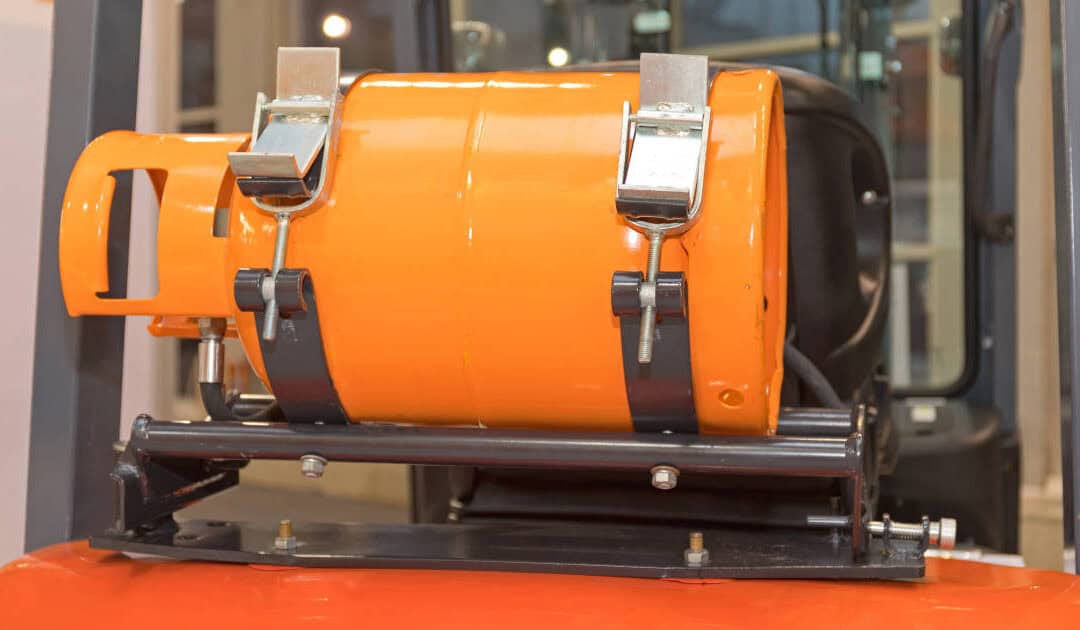
Propane forklifts run on liquid propane gas (LPG) stored in refillable cylinders that mount directly to the forklift. When a cylinder runs low, an operator swaps it out for a full one in minutes, and the machine is back to work. No waiting for batteries to charge. No trips to a fueling station. Just consistent, uninterrupted power throughout the entire shift.
That simplicity is a big part of propane’s appeal for busy operations.
Related Post: How FL Restaurants Benefit from Propane Conversions and Service
Propane vs. Electric vs. Diesel
There are a few different types of commercial forklifts, and each fuel type has its place. But propane forklifts offer a combination of benefits that the others just can’t match.
Propane vs. Electric: Electric forklifts require long charging windows, often 8 hours or more, and battery performance drops as the charge depletes. Propane forklifts deliver full power from the first hour of the shift to the last. They’re also ready for both indoor and outdoor use, while electric models can struggle in outdoor conditions and temperature extremes.
Propane vs. Diesel: Diesel forklifts are powerful but produce significantly higher emissions, making them a poor choice for indoor environments. Propane burns much cleaner than diesel and meets EPA indoor air quality standards, protecting the health of your employees and keeping your facility compliant.
What Operators Need to Know
Propane gas is a safe and proven industrial fuel, but good handling practices matter. Here are the key safety areas to stay on top of:
- Cylinder storage: Store cylinders upright, secured, and away from heat sources or ignition points.
- Ventilation: Even though propane forklifts are approved for indoor use, proper airflow in your facility keeps the working environment safe.
- Leak detection: Inspect cylinders and fittings regularly. If you smell propane, shut down the forklift and address the issue before resuming operations.
- Routine maintenance: Keep your forklifts properly maintenanced to ensure clean, efficient combustion and catch minor issues before they become costly ones.
Staying consistent with these practices protects your team and extends the life of your equipment.
Related Post: Commercial Propane Safety for Business Owners in Florida
Ready to Power Your Fleet with Propane?
Whether you’re setting up a new forklift operation or rethinking your current fuel setup, Ideal Gas is ready to help. Reach out to our team today to talk through your options and find out how we can keep your fleet running at its best.
